A Shared History: The Deep Connections Between the US and the Netherlands
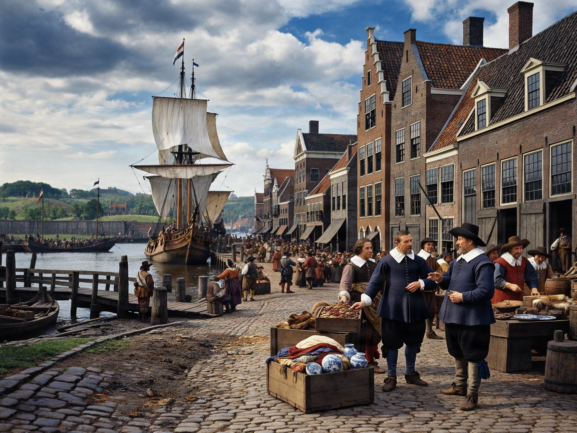
If you have ever wandered through the streets of Manhattan and wondered why everything sounds vaguely like a pancake house menu, you can thank the seventeenth-century Dutch. Long before the United States was a glimmer in a Founding Father’s eye, the Dutch were busy planting flags and establishing what would become the most expensive real estate on the planet. This wasn’t just a casual land grab; it was the birth of a transatlantic obsession with trade and civil liberties that would eventually define the Western world.
It is a relationship built on commerce, stubbornness, and a mutual love for high-stakes maritime ventures. Truly, without the Netherlands, American history might have been significantly more boring and lacked much of its early financial flair. From the introduction of the “dollar” (derived from the Dutch daalder) to the very concept of a melting pot, the Dutch fingerprints are all over the American DNA, proving that the two nations were destined to be inseparable partners in global mischief.
The First Salute and Recognition of Independence
This clandestine support eventually turned into a very loud, very public endorsement. In November 1776, at Fort Oranje on the island of St. Eustatius, a Dutch governor ordered a cannon salute to the American flag, the first time a foreign power officially acknowledged the rebellious colonies. It was basically the eighteenth-century version of a “follow back” on social media, signaling to the world that the Americans were finally sitting at the grown-ups’ table. By 1782, John Adams had secured a permanent residence in The Hague, establishing what remains the oldest continuous diplomatic mission in U.S. history.
Adams also managed to charm the Dutch bankers into providing a massive series of loans that totaled millions of guilders. This wasn’t just a friendly gesture; it was a high-stakes investment in the future of democracy. This massive cash injection effectively kept the lights on for the fledgling American government, proving that a wealthy Dutch benefactor is the ultimate life hack for cash-strapped, aspiring democracies trying to survive their awkward teenage years.
A Military and Diplomatic Alliance That Never Quits
Fast forward through a couple of centuries of shared triumphs and tragedies, and you’ll find a bromance that is essentially the geopolitical equivalent of a “forever” friendship bracelet. Ronald Reagan famously toasted this bond as the longest unbroken peaceful relationship in history, a statistical miracle considering humanity’s obsessive-compulsive urge to declare war over minor inconveniences. This legacy of peace isn’t just a historical footnote; it is a living, breathing commitment to collective security that spans from the North Sea to the Potomac.
Today, this alliance manifests in everything from joint space exploration to high-tech cybersecurity initiatives. Within the halls of NATO, the two nations act as the reliable anchors of the Western world, pinky-promising to keep global trade routes open and the peace intact. From the marble halls of Washington DC to the bustling streets of The Hague, diplomats like Birgitta Tazelaar and Joseph Popolo are busy greasing the wheels of bureaucracy, ensuring this historic partnership remains more functional and significantly more productive than your average family Thanksgiving dinner.
Economic Powerhouses and Global Cooperation
When it comes to the cold, hard cash, these two nations are practically joined at the hip. They serve as each other’s largest foreign investors, forging an economic alliance so lucrative it likely makes weary accountants weep tears of pure, unadulterated joy. Beyond mere bank transfers, they constantly whisper sweet nothings in the halls of the United Nations and the World Trade Organization, acting as the self-appointed chaperones of global commerce.
They also play surprisingly nice within the OECD and the European Union, mostly to ensure everyone else follows the rules they helped draft. By collaborating on everything from maritime security to digital privacy standards, they champion a market-led global economy. It is a concerted effort to ensure international trade remains as flawlessly efficient as a freshly paved Dutch bicycle path, even when the rest of the world is stuck in a geopolitical traffic jam.
Diplomatic Milestones: John Adams and the First Embassy
John Adams arrived in the Netherlands with a fabulous wig and a desperate need for cash, essentially acting as a one-man startup pitching to skeptical aristocrats. After years of dodging damp weather and Dutch indifference, he finally convinced the Republic to recognize the U.S. in 1782.
John Adams’ Mission to The Hague in 1782
Adams secured a two-million-dollar loan, the ultimate “seed funding” for democracy, preventing the American experiment from becoming a bankrupt British footnote. By purchasing a house at Fluwelen Burgwal 18, he established the first-ever American embassy, proving that while France had the flair, the Dutch had the actual receipts.
The Netherlands as the Second Nation to Recognize US Independence
This recognition transformed a colonial tantrum into a sovereign reality. It signaled to global elites that America was officially “open for business,” backed by Europe’s most serious bankers who were more than happy to bet against King George III.
Establishment of the First American Embassy in the World
Today, this unbroken bond survives everything from world wars to awkward state dinners. Whether collaborating in the UN or sharing herring with King Willem-Alexander, the alliance remains the bedrock of the Atlantic community, proving that a little 18th-century Dutch gold goes a remarkably long way in the world of high-stakes statecraft.
Cultural Diplomacy: 400 Years of Shared Stories and Occasional Confusion
While the accountants and generals count coins and tanks, the cultural bond remains thicker than traditional pea soup. It’s the ultimate long-distance relationship, minus the awkward time-zone math, rooted in four centuries of people moving back and forth across the “pond” with their dreams and their clogs.
The First Salute and Revolutionary Gunpowder
Long before the Big Apple was a glint in a developer’s eye, New Netherland set the tone for American urban life. Dutch merchants acted as democracy’s original venture capitalists, smuggling gunpowder to American rebels through Caribbean outposts. That 1776 salute at St. Eustatius wasn’t just a polite gesture; it was the 18th-century equivalent of a verified blue checkmark for a brand-new nation.
Legacy of the Dutch Pioneers in America
From the Roosevelts to the Vanderbilts, the Dutch imprint on American leadership is undeniable. This shared history has evolved into a well-oiled machine of modern cooperation. Whether managing rising sea levels through innovative water engineering or funding the next generation of “revolutionary” tech startups, these two nations remain the co-captains of the global school council, forever bound by a shared love of liberty and a good bargain.