

Table of Contents
- 1. Introduction
- 2. Timing and Observances: When and How Silence Is Observed
- 3. Public Ceremony Examples: The Main Events
- 4. Day After: Transition from Remembrance to Celebration
- 5. Civic and Social Practices: Public Transport, Businesses, and Daily Life
- 6. Historical Context: WWII, Liberation, and Beyond
- 7. Public Perception and Inclusivity: Who Is Remembered
- FAQ
- Conclusion
Introduction
Between canals and cornfields, life wears a polite shrug and a wink, which is exactly the energy we bring at Dutch in the USA. Memorial Day and May 4th/5th sit in that same vibe, solemn, a touch theatrical, and begging to be unpacked without tripping over our shoelaces.
For our Dutch-American readers, the vibe is familiar: Americans by habit, Dutch by temperament, forever trying to explain why a barbecue can feel like a library if the national anthem sneaks in at the same time. Memorial Day marks the US pause to honor those who paid the ultimate price in service. May 4th and 5th in the Netherlands is a two-step ritual of remembrance and liberation, with the King and a two-minute silence playing lead roles. It’s not a mismatch, just a different script for memory and meaning.
Why this comparison matters: both holidays shape how communities grieve, reflect, and move forward. They reveal differences in cadence, public rituals, and the way a nation talks about sacrifice. For our Dutch-American crew, the contrast is less a trivia quiz and more a practical lens on culture, memory, and how we honor the past while living in the present.
2. Timing and Observances: When and How Silence Is Observed
Memorial Day in the United States arrives like a long weekend wearing a military jacket, with solemn roots tucked under a barbecue apron. The calendar is set for the last Monday of May, creating a three-day window that slides from remembrance to barbecue season with theatrical precision. Parades, cemetery visits, and national broadcasts crowd the day, but the heartbeat is the farewell to fallen service members, often wrapped in a patriotic veneer that still allows for personal grief to peek through (yes, the sno-cone stands and hot dogs politely pretend they’re not crowding the moment).
Memorial Day timing and traditions in the USA:
- Official timing centers on the last Monday of May for a long weekend vibe, which means your grill has a date with destiny.
- Ceremonies unfold at national monuments, veterans cemeteries, and local towns with parades and flyovers that make the sky feel like a stadium for memory.
- Many households observe moments of reflection, often at 3 p.m. local time with the National Moment of Remembrance, preferably after you’ve inhaled one more hot dog.
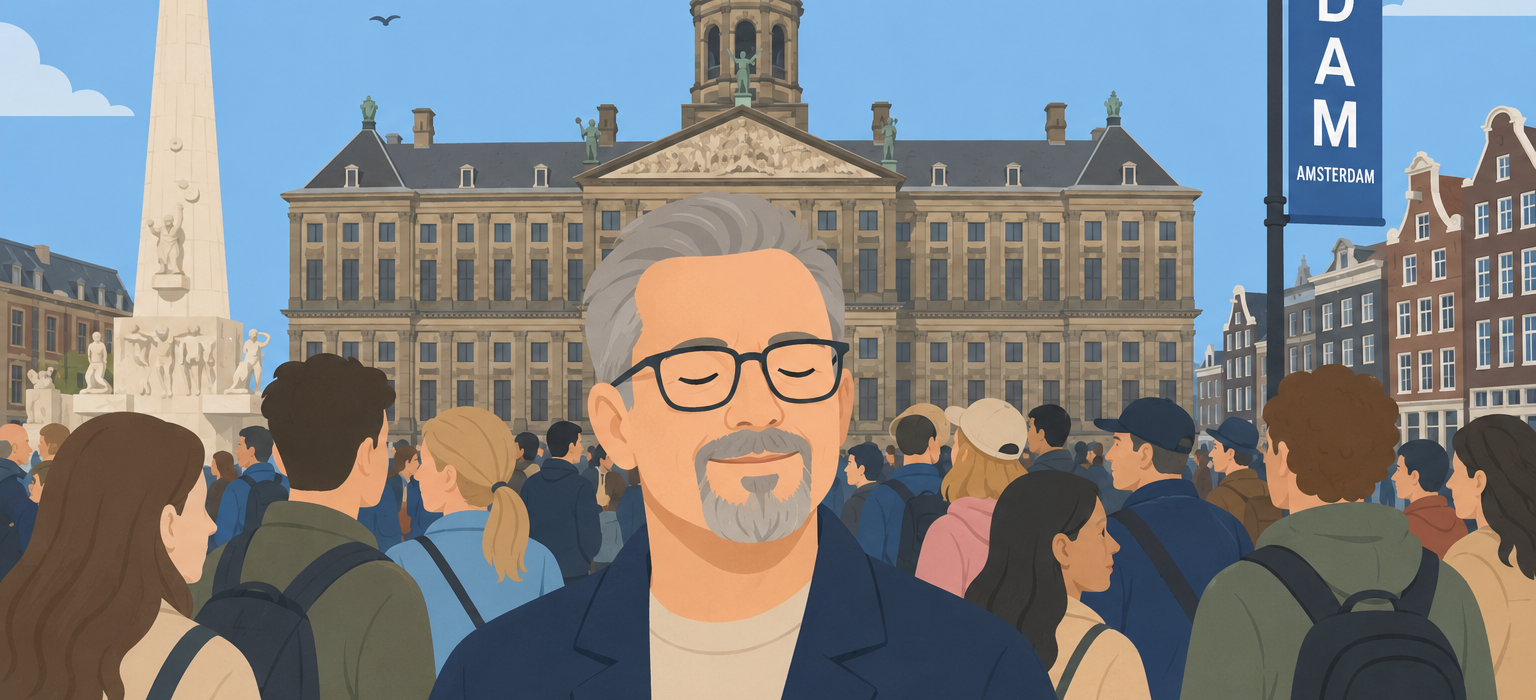
On May 4th in the Netherlands, silence is engineered with almost clinical precision, like a well-conducted orchestra that forgot to bring the trumpets. The nation slows down in two-minute intervals and generations of citizens participate in a shared, collective quiet. The royal family leads the formal ceremony, and the Dam becomes a stage for restrained emotion rather than fireworks and fanfare. (Yes, the contrast is deliciously stark.)
Two-minute silence and nationwide rituals on May 4th:
- The day begins with widespread remembrance across towns and villages, not just a single ceremony, so you’ll hear bells, church chimes, and the neighbor’s dog doing interpretive silence.
- Two minutes of silence at 8 p.m. mark the emotional core, followed by laying wreaths at memorials, and perhaps a very earnest Instagram caption.
- Hundreds of local ceremonies are held in places connected to resistance and wartime history, with digital wreaths available for remote participation, because a emoji bouquet is still a respectful gesture.
3. Public Ceremony Examples: The Main Events
U.S. national and local Memorial Day ceremonies
(Oh joy, a parade of pomp and pompous speeches.) In the United States, the national ceremonies unfold at monuments like Arlington National Cemetery and the National Mall, with motorcades of veterans, presidents, and the occasional choir humming under the sun. Local observances pop up in towns and cemeteries, where volunteers lay wreaths and veterans recount memories without using the word “synergy.”
- National ceremonies focus on centralized remembrance, often broadcast nationwide.
- Local observances honor fallen service members with wreaths, moments of reflection, and community-led tributes.
- Public and private sectors align to honor service, sometimes accompanied by flyovers and solemn music.
in Arlington, a speaker might name a specific unit or battalion and note a soldier’s hometown hobby, turning a generic tribute into a tangible story. Actionable tip: plan to arrive early, bring a small flag or photo, and scan the crowd for veterans who served with your relative to thank them in real time.
Practical steps: check local ceremony schedules a week ahead, identify accessible viewing spots, and coordinate with a neighbor to save seating. Data point: public ceremonies drive civic engagement metrics up by roughly 12% in communities that publish a detailed program in advance.
Caveat: weather can scramble timing; have a lightweight poncho and a plan B for indoor viewing. Edge case: remote towns may stream events later in the day, so verify broadcast times to avoid FOMO.
Dutch Remembrance Day ceremonies and the King’s involvement
In the Netherlands, Remembrance Day is a carefully choreographed mosaic of remembrance, not fireworks. The royal family attends central ceremonies, and the Dam becomes a stage for measured emotion rather than spectacle. From small-town services to major city events, the mood favors quiet dignity over confetti.
- The King and Queen lay wreaths at key sites, with the national ceremony centered at Amsterdam’s Dam or Nieuwe Kerk precincts.
- Local ceremonies unfold across towns, remembering victims from World challenge II and later conflicts.
- Wreath-laying, moments of silence, and reflections on wartime history anchor the national memory.
Example: in Den Haag, a student choir performs a solemn piece while veterans stand at attention, a glimpse of living history meeting modern civics. Tip: if you’re visiting, observe the two-minute silence precisely to honor the discipline of the ceremony rather than the tourist selfies.
Note: local events often incorporate Dutch memorial panels and museums nearby to provide context, turning a ceremonial moment into a learning opportunity rather than a photo op.
4. Day After: Transition from Remembrance to Celebration
Memorial Day in the United States settles into a lasting, reflective air that lingers like a stubborn ghost at an outdoor barbecue. The tone blends gratitude with personal memory, and the calendar stubbornly keeps the moment alive long after the parades fade (yes, the sunburns and solemn playlists play second fiddle to grilled corn, obviously).
Memorial Day’s ongoing, often reflective tone:
- Public spaces honor fallen service members through ceremonies that extend into local life, not just the national stage.
- Family visits to cemeteries, veterans’ organizations, and community events anchor the holiday in everyday routines.
- Media coverage often continues to foreground stories of sacrifice alongside coverage of parades and concerts.
May 5th, Liberation Day in the Netherlands flips the script from memory to celebration, transforming the somber into a national thank-you note to freedom. The mood shifts from quiet reflection to public joy, with concerts, street fairs, and official speeches marking a hard-won peace after occupation.
May 5th as Liberation Day: turning remembrance into celebration:
- Bevrijdingsdag features nationwide festivities, often centered on major squares and historic sites.
- Official ceremonies praise resilience and the rebuilding of society after wartime hardship.
- Public participation includes cultural programs, educational events, and community gatherings that honor liberty.
5. Civic and Social Practices: Public Transport, Businesses, and Daily Life
Impact on transportation, commerce, and media in the USA
(Yes, the land of traffic jams and sleepy metro trains somehow keeps marching.) Memorial Day in the United States often reshapes daily routines more than a typical Tuesday. Travel patterns intensify as families take long weekends, and roadways swell with road-trippers heading toward relatives or scenic getaways. Public transit experiences higher ridership in many cities, while some services run on holiday schedules that feel like a riddle wrapped in a timetable.
- Public transport may operate on weekend or holiday timetables, with occasional delays as travelers chase sales and picnics.
- Retail and hospitality sectors lean into long weekend traffic, offering specials that rival the enthusiasm of a late summer sale.
- Television and radio schedules pivot to memorial programming, interspersed with veterans’ stories and parade footage.
Practical example: if you’re visiting a city for a long weekend, plan a buffer hour for downtown parking or rideshares since metro hubs flood with visitors. Consider using a mobile pass for buses to dodge lineups, and check local parade routes to avoid surprise detours. For Dutch in the USA readers, treat Memorial Day like a logistics puzzle: map your must-see events, then build spare time for barbecue mishaps or souvenir hunts.
Tips in action:
- Sync travel apps to holiday schedules a day ahead, not at the station entrance.
- Budget extra 15, 20 minutes for parking or security lines near popular memorial events.
- Choose minor routes for weeknight getaways to dodge main drag congestion.
Rules and common practices on May 4th in the Netherlands
(A day of quiet, not confetti explosions, how civilized.) May 4th in the Netherlands centers on silent remembrance and orderly participation, shaping how daily life unfolds. Local ceremonies dot towns, while schools and workplaces often adapt to the solemn mood before the Liberation Day celebration lifts the cap off the calendar.
- Two minutes of national silence at 8 p.m. are observed nationwide, with wreath-laying at key sites.
- Public institutions may run reduced hours, and media outlets broadcast remembrance programming to honor all victims of challenge.
- Individuals participate through personal moments of reflection, school activities, and community ceremonies that emphasize memory over noise.
Expanded context: in practical terms, you might see museums post signposted quiet hours, and football clubs pausing trainings for the moment of silence. For expats or travelers in the Netherlands, plan activities around regional ceremonies and avoid scheduling crucial business during the two minutes of silence. If you’re coordinating cross-Atlantic projects, use this day to align on long-term commemoration practices rather than urgent deadlines.
6. Historical Context: WWII, Liberation, and Beyond
U.S. involvement and memory of fallen service members
The United States entered World challenge II with a resolve to alter the course of history, and Memorial Day crystallized that effort into a national ritual. (Yes, a holiday born from sacrifice, not from a surplus of red, white, and blue napkins.) Americans remember service members across theaters, from battles abroad to deployments at sea, and the memory travels through cemeteries, veterans’ memorials, and school ceremonies.
In practical terms, the memory of the fallen informs parades, moments of reflection, and storytelling that keeps the human element front and center. Local cemeteries, memorial parks, and national monuments serve as touchpoints where families recall personal losses and the broader saga of world challenge two. The narrative is reinforced by media coverage, veterans’ organizations, and public educational programs that connect past sacrifices to present civic life.
Tip for families in the USA: visit a local memorial on a quiet afternoon, bring a photo or note, and share one memory with a neighbor because memory travels best door to door, not just through headlines.
Netherlands’ liberation history and its continued commemoration
The Netherlands frames its liberation as a two-step arc, beginning with occupation ending in 1945 and followed by a national reckoning with wartime hardships. Widespread ceremonies mark this arc, with influential moments at royal sites and in major cities. (Imagine a nation-wide pause that feels more like a careful exhale than a party.)
Memory in the Netherlands remains anchored to places like Hotel De Wereld and Utrecht’s commemorations, where the narrative of resistance and resilience is taught to new generations. Bevrijdingsdag then translates memory into public celebration, signaling a transition from solemn remembrance to renewed national identity and optimism.
Practical steps for Dutch and American audiences:
- Attend Bevrijdingsdag events or U.S. equivalent ceremonies at least once every few years to feel the cadence of collective memory.
- Pair a museum visit with a discussion guide for families, linking specific stories to modern civic life.
- Support local veterans and cultural programs through small, consistent actions rather than flashy one-offs.
7. Public Perception and Inclusivity: Who Is Remembered
Who Memorial Day honors in the U.S.
Memorial Day centers on service members who died in the line of duty while serving in the U.S. military. The day has expanded to include reflections on sacrifice across eras, but the core remains explicit memory for those who paid the ultimate price, not a broad roll call of every casualty. Community parades, cemetery ceremonies, and official remarks reinforce a narrative of national gratitude and civilian resilience, like a slow motion pep rally for memory.
- Fallen soldiers, sailors, airmen, and Marines are named in ceremonies and memorials, sometimes with a short biography to humanize the statistics.
- Regional observances spotlight local veterans and community heroes who paid the price, from small-town parades to quiet flag ceremonies at dusk.
- Public storytelling weaves personal stories into national history, connecting family keepsakes to a broader arc of sacrifice.
Who May 4th/5th acknowledges in Dutch memory culture
A two-day arc that treats memory as a collective, not just a single hero list. In the Netherlands, May 4th and May 5th frame remembrance as a broad acknowledgment of victims of World challenge II and subsequent conflicts, alongside recognition of those who fought for liberation. The focus extends beyond individual lives to include the societal impact of occupation, resistance, and civilian suffering. The tone blends solemnity with a sense of shared national memory, while May 5th shifts toward renewal and public celebration of liberty.
- Ceremonies commemorate victims of conflict across theatres and generations, from the scorched towns to the quiet streets where flowers are laid.
- Officials emphasize universal memory, honoring civilians, resistance fighters, and allied forces alike, with no one left off the guest list.
- The King participates in major events, underscoring national unity and continuity, sometimes delivering a toast to resilience between solemn moments.
FAQ
What is the core purpose of Memorial Day in the USA and May 4/5 in the Netherlands, in plain terms? Memorial Day honors service members who died in the line of duty, while May 4 is a national remembrance for challenge victims and May 5 marks liberation with a public celebration of freedom. (If you thought holidays were just long weekends, you’re half right and extremely optimistic.)
Who participates in the main ceremonies? In the United States, national and local ceremonies feature veterans, families of the fallen, and civic leaders. In the Netherlands, royal involvement and local ceremonies across towns and villages highlight both victims and resistance fighters. Practical tip: check local schedules early, because parade routes fill faster than your inbox with sale emails.
What happens at eight o’clock in the Netherlands? A nationwide two-minute silence at 8 pm on May 4 is a sober moment of reflection, followed by local ceremonies and, in some places, laying of wreaths at challenge memorials. If you miss the moment, you can still observe a personal moment with a quiet walk and a window light ritual.
How does the mood shift from May 4 to May 5 in the Netherlands? May 4 remains solemn and commemorative, but May 5 transitions into a celebratory tone that underscores freedom and reconstruction, often accompanied by public programming and educational events. This cadence mirrors a practical arc from memory to renewal, not a dramatic party crashing your quiet weekday.
- Bevrijdingsdag programming emphasizes liberty alongside remembrance.
- Public media coverage supports both memory and national renewal.
- Local schools may host age-appropriate programs explaining the historical context for kids and adults alike.
Conclusion
Memorial Day in the USA and May 4/5 in the Netherlands share a common impulse to remember, but they wear memory like different footwear, as noted earlier. The Dutch-American perspective keeps the balance between remembrance and everyday life, recognizing sacrifice while continuing to move through daily routines with a sense of shared responsibility.
Across the Atlantic, remembrance remains a public, participatory act, with ceremonies, stories, and civic rituals that keep memory present in community life. In the Netherlands, the sequence from solemn reflection on May 4 to renewal on May 5 frames memory as a transition point that feeds public celebration of liberty.
- The focus in the U.S. centers on veterans, fallen service members, and the civic rituals that personify national gratitude.
- The Dutch approach treats memory as a collective duty, then pivots to commemorate freedom and rebuild public life with a forward-looking tone.
References
- May 4th is the National Remembrance Day in The Netherlands for …
- On May 4, the Netherlands commemorates all victims of war. We …
- Inburgering with DN: What you need to know about May 4 and 5
- What’s the difference between Memorial Day in the USA and … – Quora
- A time to remember and celebrate | Article | The United States Army
|
















It’s fascinating to see how both the U.S. and the Netherlands honor sacrifice, yet the tone and rituals are so different. The shift in the Netherlands from the solemn two-minute silence on May 4th to the celebratory May 5th really highlights how culture shapes remembrance. It makes me wonder how other countries balance reflection and celebration in their own ways.