Why Americans Miss the Dutch Footnote in History
Table of Contents
- New Amsterdam and the Dutch Footprint in Early America
- Language and Culture: The Dutch Legacies in American English
- The Dutch and the Shape of a Nation: Identity Before the Napoleonic Era
- Why Americans Don’t Know: Curriculum, Focus, and the American Identity Gap
- Confusion and Clarity: The Deutsch versus Dutch Distinction
- Introduction: A Blind Spot in a Big Country
- Section 1: The Dutch Footprint in Early America
- Section 2: Language, Culture, and the Silent Dutch Influence
- Section 3: The Puzzle of American Education and Narrative Gaps
- Section 4: The Napoleonic Twist and the Emergence of a National Identity
- Section 5: The Why and How Americans Don’t See It
- Section 6: The Living Legacy: Where to Look for Dutch Influence Today
- Frequently Asked Questions
- Conclusion: A Friendly Nudge to Recheck the Footnotes
- Frequently Asked Questions
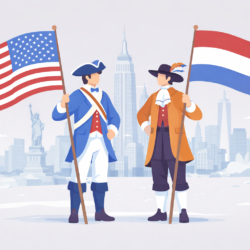
If you thought American history is all about stars, stripes, and the red, white and blue, you’re not alone. The Dutch origin story often slips through the cracks like a Dutch oven lid on a crowded stove. But that footnote matters, because the Netherlands helped shape early America in ways you can still see in street names, place markers, and the occasional earworm about why the word “cookie” sounds so Dutch to some folks. (Yes, I’m aware that we’re all just trying to pronounce “Stuyvesant” without tripping over our own tongues.)
You and your friends probably know that New York City started life as New Amsterdam, a bustling Dutch settlement on the Hudson. Yet the broader Dutch presence in early America is frequently treated as an afterthought, a quirky citation in the margins of a bigger caucus about English colonization. Here at Dutch in the USA, we’re shouting about how the Dutch influence lingers in plain sight and in history books’ occasional misfires. (Spoiler: it’s not all cheese and windmills, though that helps.)
New Amsterdam and the Dutch Footprint in Early America
History is basically a grand road trip, and early America had hitchhikers who picked up more than just sunburns. The Dutch established Nieuw Nederland and New Amsterdam along the Hudson, laying down trading routes, street-smart urban planning, and a taste for civic liberty that still echoes in today’s Manhattan vibes. (Also, a friendly reminder that taxes back then were colorful and bureaucratic, the good kind if you enjoy paperwork with a dash of saltwater.)
Let’s not pretend the Dutch West India Company was only about fortifications and fancy hats. Their networks catalyzed commerce and cultural exchange long before the British took the mic. The effect is a Dutch-inflected layer in American culture, language, and cityscapes that modern readers still stumble upon, sometimes while chasing a Castello Plan-inspired street-grid drama we pretend to understand but secretly adore. (Shout-out to the grid that loves a good plot twist.)
Language and Culture: The Dutch Legacies in American English
Words drift farther than ships, especially when they hitch a ride on everyday speech. The American lexicon is riddled with Dutch-rooted terms and common objects that amuse travelers and linguists alike. Think of items named after Dutch practices or terms that crossed the Atlantic and refused to go home. (Yes, the pantry of loanwords has more drama than a binge-worthy reality show.)
But the Dutch footprint isn’t all neon hamlets; some famous “Dutch” phrases misfire on purpose. The Pennsylvania Dutch, for example, aren’t Dutch at all in the scenic sense, they’re Deutsch, i.e., German. That mix-up proves how Dutch influence can blur into neighboring cultures, sometimes so thoroughly that it confuses classrooms and pop culture alike. (Not a conspiracy; just a verb-noun tango with extra steps.)
The Dutch and the Shape of a Nation: Identity Before the Napoleonic Era
Before the Napoleonic Wars, Dutch identity was less a single flag and more a mosaic of provinces, languages, and trading networks. The idea of a tightly unified Netherlands state formed later, like a furniture IKEA assembly that finally resembles a cabinet after a few missing screws. This nuance helps explain why Dutch influence in early American history isn’t a neat chapter but a braided thread through many episodes of transatlantic exchange. (A timeless mosaic, not a sticker.)
For modern readers, that nuance matters. It explains why Dutch roots in the US feel like a hidden strand rather than a bold headline. When curricula favor English colonial narratives, the Dutch role can drift into the background noise of “founding era” memory. (Cue the soft piano and a glow-up for the footnote, please.)
Why Americans Don’t Know: Curriculum, Focus, and the American Identity Gap
American education has long prioritized English and British colonial history, like a playlist that never skips the classics. While the Dutch helped shape maps and early economies, these chapters often get crowded out by bigger narratives. The result is a lingering American gap in history that leaves the Dutch influence underappreciated in mainstream consciousness. (Yes, we endured the syllabus blackout, barely, with caffeine as our co-pilot.)
In popular culture, documentaries and museum exhibits sometimes do more to spotlight the Dutch footprint. YouTube and other platforms host quick histories and multi-part explorations that unpack New Amsterdam, the Hudson corridor, and the broader Dutch colonial era. These resources help bridge the gap between classroom memory and the richer, more intricate origins of the American story. (Finally, a history channel with some real flavor.)
Confusion and Clarity: The Deutsch versus Dutch Distinction
Confusion between Deutsch and Dutch isn’t just a quirky footnote; it’s a reminder that language travels with the same zeal as a rumor at a family reunion. In early American contexts, “Dutch” often signaled West Germanic peoples broadly, a tangled label that sometimes included Germans. This linguistic overlap is part of why some readers trip over the Dutch influence in American culture. (No conspiracies here, just a vocabulary blender that forgot to put on a lid.)
Clearer teaching about this distinction helps untangle misperceptions and proves that identity isn’t a straight line but a braided rope of culture, migration, and a few stubborn phrases. (History loves a plot twist, and so do we.)
In short, the Dutch thread isn’t a mere footnote. It threads through the founding and enduring story of the United States, from place names and trade networks to language quirks and everyday customs. By spotlighting these connections, we glimpse an American identity that wears Dutch roots like a well‑fitted scarf, practical, warm, and occasionally multilingual. (Like a stubborn bill that somehow gets paid.)
Introduction: A Blind Spot in a Big Country
Americans, bless their can-do hearts, adore a good origin saga. They cheer for founding fathers, wooden teeth, and the Liberty Bell’s dramatic pause. Yet when you ask about the Netherlands, you’re met with a shrug big enough to win a costume contest for “Most Ambiguous American Accent.” The truth, as any well-thumbed history shelf in a Dutch bakery can attest, is that the Netherlands helped sketch the early map of the United States in more ways than a windmill helps catch the breeze. (And yes, we remain lactose tolerant about it.)
The gap in awareness isn’t a conspiracy so much as a cultural comedy of timing, curricula, and storytellers who skipped the footnotes. In this guide, we’ll unpack why Americans often overlook how central the Netherlands were, and still are, to the founding and continuation of the United States, with a wink, a nudge, and a handful of little-known facts that prove the Dutch left fingerprints on the American dream bigger than a Rembrandt in a gift shop. (Grab the coffee; this stroll through history’s alleyways might be longer than a windstorm.)
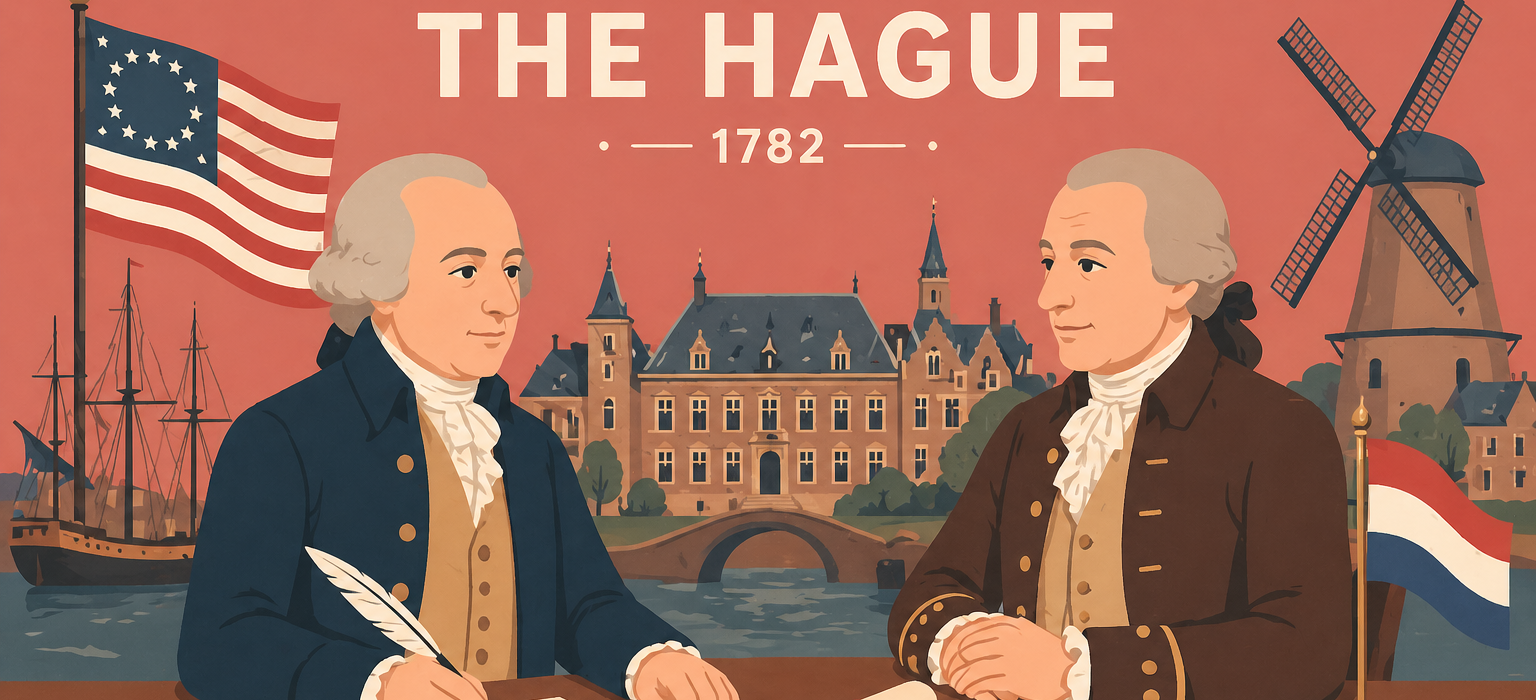
William V, Prince of Orange, ruled as the Stadtholder during a transformative era for the Dutch Republic, shaping its stance toward Atlantic trade and early colonial ventures that intersect with New Netherland’s story in the American founding saga. His era helps explain why Dutch influence lingered in governance and international networks that reached across the Atlantic.
Expect a tour through Dutch presence in early America, the linguistic and cultural legacies that survive in daily speech, and the twists of history that kept the Netherlands out of a tidy national narrative before the Napoleonic era. You’ll meet New Amsterdam, the Hudson River corridor, and the long shadow they cast on places like Manhattan, New York City history, and even our everyday language, think “Pennsylvania Dutch.” (Yes, Deutsch, not Dutch, is the surprising root of that phrase.)
Section 1: The Dutch Footprint in Early America
What really happened on the edge of New Netherland
Long before the Statue of Liberty became a welcome magnet, Dutch settlers were laying down the bones of a colony named New Netherland along the Hudson. New Amsterdam, their bustling capital, wasn’t a quaint footnote but a lively hub of trade, law, and urban planning. The Dutch West India Company ran the show with the efficiency of a perfectly timed wind gust, and the Castello Plan of Manhattan still whispers about property lines and street grids like a detective novel. (Those canals you imagine around New York City are partly Dutch real estate psychology meeting practical water management.)
As the English pressed in, the colony evolved, changed hands, and became part of a broader story about American origins that included English colonists, Native nations, and a fierce maritime ambition. The Dutch presence didn’t vanish; it transformed. Place names, legal traditions, and the bones of economic life carried Dutch imprint. You can stroll through Manhattan and still feel the older currents tugging at the modern city’s harbor of ambitions. (No, you can’t sail back to the 1600s, but you can walk the streets and pretend.)
Key takeaway without a history degree
- New Amsterdam became New York City, a metropolis shaped by Dutch trade networks, urban planning, and a mosaic of peoples.
- The Dutch influence persisted in governance ideas and business practices that spilled into American life long after the colonial flags changed hands.
Section 2: Language, Culture, and the Silent Dutch Influence
Why Dutch words sneak into everyday American talk
You might think you speak American, but you’ve probably tossed a Dutch wink into your sentences without realizing it. The American language pantry is stocked with loanwords that seem familiar until you realize they traced back to the Netherlands, or at least to a much warmer Wikipedia page. Consider phrases like Dutch oven or the curious Pennsylvania Dutch misnomer. The label isn’t about the Netherlands; it actually comes from Deutsch, meaning German. It’s a linguistic sneeze that grew into a cultural cough, ending up in kitchens and classrooms as a stubborn reminder that language travel isn’t always tidy. This playful mix proves Dutch presence slips into daily life without grand speeches or monumental statues to shout about it. (You’re welcome for the etymology.)
You, dear reader, are probably using Dutch-derived terms more often than you think. The next time you hear a shopper say “going Dutch,” tip your hat to a centuries‑old cultural swap that loved practicality more than pomp. (Also, it just sounds fun to say.)
Culture that sticks around like a stubborn cheese rind
- Architectural pragmatism: Dutch urban planning favored straight streets and markets that work, a blueprint echoed across early American towns along the Hudson and beyond.
- Religious tolerance and pluralism: Dutch communities helped seed a culture in which diverse voices were welcomed at the table, a precursor to the American ideal of inviting many into one republic.
These cultural fingerprints aren’t flashy memorials; they’re the quiet edits in the American story that keep showing up when you stroll through a historic district or hear a neighbor debate the best way to share a sandwich. (Yes, the sandwich analogy again, history is basically a long lunch.)
Section 3: The Puzzle of American Education and Narrative Gaps
Why Dutch history isn’t the star of the show in many classrooms
You want a complete map of early America? You get a British-leaning route with the founding story front and center. England’s colonial drama is big, loud, and well choreographed on the classroom stage. The Dutch chapter, meanwhile, is treated as a bustling subplot that barely earns a curtain call. When schools cram textbooks into crowded curricula, Dutch New Netherland often lands on a single paragraph or a sidebar. The result is a national memory that resembles a Bruegel painting with a missing corner where the Dutch brushstrokes colored the early map of the United States. (Moody, yes, but still edible.)
New angles matter more than a tidy rumor: the establishment of New Amsterdam, Dutch legal concepts that echo in today’s courts, and trade networks that stitched colonial economies together. Recognizing these roots helps explain how New York City’s street names, institutions, and legal bones carry a Dutch echo that isn’t merely decorative. It also shows American origins as a mosaic rather than a British-only origin myth. (A tapestry, not a postcard.)
Newspapers, museums, and the public memory
- New York City’s history museums house Dutch-era artifacts that offer a richer arc than the Erie Canal or the Statue of Liberty alone. The Castello Plan and early urban visions reveal a Dutch urbanism that seeded later growth.
- YouTube documentaries, popular history channels, and accessible books by authors like Russell Shorto have begun to foreground the Dutch-American tale as a main act rather than a footnote. (Finally, a real plot twist in the syllabus.)
Early American curricula often overlook the Hudson River corridor, the founding of New Amsterdam, and the Dutch West India Company’s role in trade and governance. This omission feeds a broader American memory gap where the Netherlands and its influence drift to the periphery. By foregrounding Dutch origins alongside Dutch New Netherland, schools can offer a more accurate portrait of early America and the diverse roots of the United States. (No sarcasm-free paragraph, humor included.)
Section 4: The Napoleonic Twist and the Emergence of a National Identity
How a political reconfiguration shaped historical memory
You want a history that feels coherent and national, not a patchwork quilt of provinces. Before the 19th century, Dutch identity in politics was as flexible as a wind-blown flag. The Netherlands was a cluster of provinces with a shared culture but not a tightly stitched modern nation state, at least not in the way Americans imagine a nation. (Think: a very talented umbrella.)
When Napoleonic redesigns rearranged Europe, Dutch identity and its political institutions began to coalesce into a recognized nation state. That shift mattered for how the United States would learn about its own past. History is a language of power and emphasis, and if your founding myth reads like an English origin story with Dutch breadcrumbs, many Americans won’t notice those breadcrumbs at all. The Napoleonic era didn’t just redraw borders; it reoriented memory itself. (A calendar change you didn’t notice, until you did.)
The long shadow of a divided past
- Colonial power dynamics shifted, allowing Dutch influence to retreat into the background as political drama rather than a headline.
- The American origin narrative grew more England-centric in standard schooling, shaping public memory for generations.
- Meanwhile, places and terms rooted in Dutch presence linger in the landscape and language, often quietly, like a hidden footnote in the grand story of the United States origins.
Section 5: The Why and How Americans Don’t See It
Media, myth, and the power of a good story
You want history to feel neat and satisfying, but the Dutch chapter is more like a globe with scribbles than a clean three-act play. It’s long, winding, and has more plot twists than a Hudson River documentary. Think of Russell Shorto’s nuanced histories as the spicy kick that wakes up readers, rather than a sugar-coated summary. Yet for many Americans the story sticks best when it centers on British roots, founding documents, and the language of liberty. The Netherlands is a crucial, underappreciated tutor in early American life, but it often plays the elegant backdrop rather than the star of the drama of American origins. (Yes, it’s dramatic in a tasteful, historical way.)
That’s not just romantic nostalgia. It’s a real media and education shift. YouTube documentaries, history channels, and even museum placards tend to spotlight major watershed moments, Colonial Williamsburg vibes, the Pilgrims, the British Crown, while the Dutch presence slips into footnotes or hearsay. The result: a history that looks American, sounds American, and feels American, even when the spine traces back to Nieuw Nederland and New Amsterdam. (Plot twist: the spine has more spine than you thought.)
Americans crave a tidy narrative with a clear villain, a heroic founder, and a neat origin story. The messy, interconnected reality of Dutch influence across place names, trade networks, and cultural legacies doesn’t always fit that appetite. So the Netherlands becomes a stylish prop rather than a co-architect of the American story. (Props to the Netherlands, the quiet stage manager.)
Curricular inertia and geographic nuance
- Educational systems tend to standardize a core set of narratives that are easier to memorize and test against, leaving the Dutch chapter in a dim hallway with a flickering light.
- Geography matters: the Hudson River and New Amsterdam sit in a space between Europe and America where stories mingle, but not always with equal stage time in classrooms or popular media.
The result is a gap in public memory. The Dutch origins in the United States, how New Amsterdam became New York, how the Dutch West India Company shaped early commerce, and how language and culture left lasting fingerprints, often get short shrift. When Americans learn about the founding era, the Netherlands tends to appear as a distant poster in a history museum rather than a living, shaping force behind the American era. (Poster or not, it’s still there, somewhere near the cheese.)
Section 6: The Living Legacy: Where to Look for Dutch Influence Today
Cities, culture, and daily life as living museums
You may not see the word Dutch stamped on every street sign, but its fingerprints are everywhere in daily life. In Manhattan you’ll feel echoes of early settlement pragmatism in the grid, the Dutch West India Company’s legacy in commerce, and the persistent habit of naming places after Dutch roots. The Dutch footprint isn’t a postcard caption; it’s a living thread woven through architecture, law, and the rough charm of street corners you pass daily. (If street signs could talk, they’d gratefully admit they’re multilingual.)
From New York City to small town museums, the Dutch influence shows up in the way communities organize, trade, and accommodate difference. The story isn’t a tidy chapter break; it’s a continuous motif that surfaces in legal ideas, urban planning, and the language we use without noticing it. Think of it as a windmill bookmark tucked into American life, sometimes visible and sometimes quietly spinning behind the scenes. (Go ahead, tilt your head, yes, there it is.)
What to read, watch, and listen for
- Books by historians like Russell Shorto that thread together Dutch and American history with narrative flair.
- Documentaries and museum exhibitions that trace New Amsterdam’s DNA in modern New York City.
- Public conversations and heritage days that celebrate Dutch-American connections and the shared values of religious tolerance and cosmopolitan trade.
Frequently Asked Questions
Why is the term Dutch used in America to describe a broad heritage?
You’re not imagining things when you hear Dutch used as a broad label. This quirk comes from historical linguistics and early American terminology. Dutch settlers and West Germanic-speaking groups left a real imprint on language and culture, and over time that label broadened. Some phrases stuck even when the geographic origin faded from view. It’s a reminder that language evolves faster than textbooks admit, and American English has a few colorful leftovers from the past. (Language is basically furniture that rearranges itself while you’re not looking.)
What is the most enduring Dutch legacy in the United States?
Think of a practical blend: urban planning sensibilities, trade networks, and a quiet tradition of religious tolerance that shaped early American society. The most visible vestiges are place names, street layouts, and everyday governance that trace back to New Netherland’s early days. The Hudson River corridor, the birth of New Amsterdam, and the loyal footprint of the Dutch West India Company live on in ways you can still spot if you know where to look. (Spoiler: it’s not all souvenir cheese.)
Where can I learn more about this history beyond a textbook?
Start with accessible, narrative histories that foreground Dutch-American interactions. Explore museum exhibits in New York and nearby states, and dive into documentary-rich perspectives. You’ll get human-centered storytelling that makes the past feel alive rather than a dusty lecture. Notable works by Russell Shorto and related documentary series offer engaging entry points that connect the dots between New York City history, the Dutch origins of the United States, and the broader Dutch influence on American culture. (Grab the popcorn; history can be entertaining.)
Conclusion: A Friendly Nudge to Recheck the Footnotes
History isn’t a tidy timeline tucked away in a museum of dusty reels. The Netherlands didn’t just flicker into American history; it kept a steady glow beneath the surface. The full tale is bigger, more intricate, and far more human than a single treaty or a single statue. If you want a fuller understanding of where the United States origins really come from, invite the Dutch chapter from the margins to the center of the narrative table. (And yes, bring some cheese for good measure.)
It’s not about prestige or pride alone; it’s about acknowledging how intertwined human stories are when oceans are crossed, markets are opened, and ideas travel faster than ships could sail. The Netherlands helped shape a United States origins that could dream in plural voices, and that is a truth worth retelling with coffee in hand and a smile that understands history is never a finished map. (To be continued, preferably over mimosas and a windmill-themed playlist.)
Frequently Asked Questions
What is the historical significance of New Netherland?
New Netherland was one of the earliest sustained Dutch efforts to establish a transatlantic trading post in North America. It blended commerce, law, and cultural exchange, and its footprint shows up in how we talk about cities, maps, and governance today. The region laid groundwork for New Amsterdam, which would become New York City, and it helped seed Dutch influence in American history that you can still spot in place names and urban planning. (It’s basically the origin story with better street grids.)
How did Napoleonic era changes affect memory of Dutch history?
During the Napoleonic Wars, Europe reconfigured itself, and national identities tightened their grip on memory. This tightening sometimes pushed older colonial complexity into the margins, so the Dutch role in United States origins drifted from the center of the story. The result is an American history that often highlights English connections while quietly smoothing over a rich Dutch chapter. (Translation: memory got a makeover.)
Where can I see Dutch legacy in modern American culture?
Traces of the Dutch presence show up all over the United States. Think New York City’s street grid and Manhattan’s name, the enduring concept of a Dutch oven, and even everyday phrases that entered American usage. The Dutch colonial period left cultural fingerprints in architecture, urban design, and local customs that are worth spotting with a curious eye. (And yes, you can bake a mean Dutch oven to celebrate.)
References
- Why don’t Americans know their own Dutch history? – 1/4 – YouTube
- Why is the term “Dutch” more culturally prevalent in the United …
- Seven examples of the traces left by the Dutch in America
- Why don’t Americans know their own Dutch history? – 1/4 Reaction!
- Why America doesn’t know its Dutch history | 24 oranges