Introduction: The Dutch Team’s Anticipated Performance
The Netherlands national football team, historically a formidable presence in international competitions, entered the 2026 World Cup with significant expectations. Known for their tactical prowess, the team has a rich legacy that includes impressive runs in several tournaments, notably reaching the finals in 1974, 1978, and 2010. This history has fostered a strong sense of pride among fans, who were hopeful for a rejuvenation of the squad’s glory on the world stage.
As the qualifications progressed, the Dutch team showcased their capabilities through a series of compelling performances, which enhanced their reputation as contenders for the title. Under the guidance of their coaching staff, they demonstrated solid teamwork, tactical adaptability, and resilience. Furthermore, the rise of several key players, who excelled in major European leagues, contributed to optimism regarding the national team’s potential to advance deep into the tournament.
Analysts and fans alike were encouraged by the results leading to the World Cup, as the team secured their spot through a rigorous qualification process. This success sparked conversations about their chance to reclaim a title that had eluded them for decades. The excitement surrounding their roster, bolstered by promising young talent alongside seasoned veterans, positioned the Netherlands as a team to watch.
Despite these encouraging signs, the history of international football is replete with examples of teams that faced challenges when expectations soared. The distinct blend of pressure and hope surrounding the Dutch team created an intriguing narrative as they prepared for the World Cup. As the tournament commenced, both supporters and strategists anticipated how well the team would navigate the complexities of international play, particularly against formidable adversaries in their quest for success.
Match Overview: The Clash Against Morocco
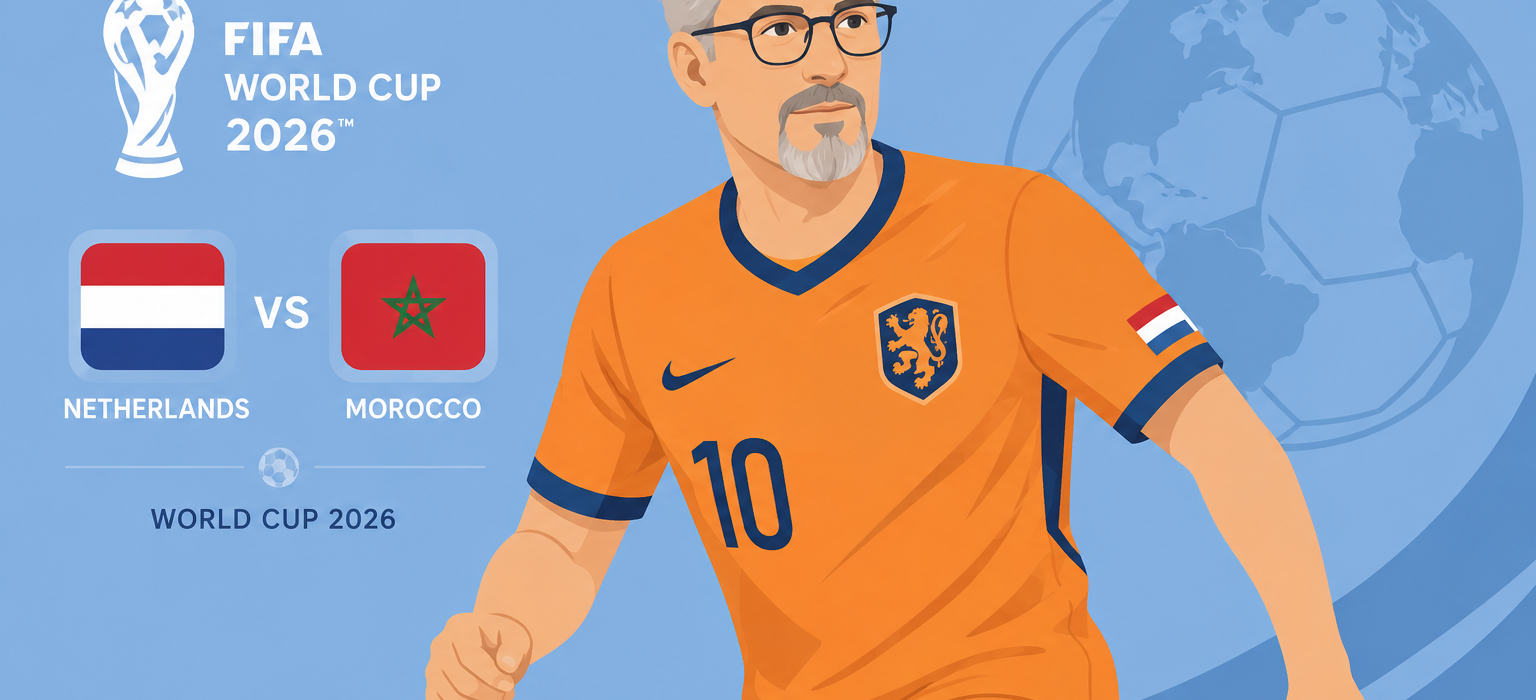
The much-anticipated match between the Netherlands and Morocco at the 2026 World Cup proved to be a challenging encounter for the Dutch side. Despite high expectations, the Netherlands faced difficulties both on the pitch and in executing their game plan. The final score of the match was 2-2 and leaded to a penalty shootout in favor of Morocco, a result that left Dutch fans disheartened.
From the outset, the game was filled with intensity and competitive spirit. The Netherlands attempted to assert control early on, showcasing their traditional style of play, which emphasizes ball possession and building from the back. However, Morocco’s aggressive pressing and tactical discipline disrupted the Netherlands’ rhythm, forcing them into hurried decisions and uncharacteristic mistakes. Key moments in the first half included several near misses for the Netherlands, with Belgium’s backline holding strong under pressure.
The turning point in the match came midway through the first half when Morocco executed a quick counterattack, efficiently transitioning from defense to attack. This strategy caught the Dutch defense off guard and resulted in a stunning goal, shifting the momentum of the game. The goal not only energized the Moroccan team but also created palpable frustration among the Dutch players.
The second half saw the Netherlands intensify their offensive efforts as they searched for an equalizer. Despite creating several chances, including a crucial set-piece opportunity that narrowly went wide, the Dutch struggled to convert their possession into clear scoring chances. Morocco capitalized on another mistake from the Netherlands to score their second goal, further complicating the Dutch team’s aspirations for the match. Although the Netherlands managed to score a consolation goal in the waning moments, it was too little, too late. The match concluded with a scoreline that reflected the Netherlands’ inability to adapt effectively to Morocco’s tactical approach.
The Tactical Setup: Five Defenders or Four?
The tactical formation of a football team plays a crucial role in shaping its performance on the pitch. In the context of the Netherlands’ strategy during the 2026 World Cup, the decision to field five defenders instead of the more traditional four has been a topic of significant discussion. This approach reflects the coach’s intention to create a more secure defensive structure while allowing for flexibility in the midfield. The choice of a five-defender formation, commonly referred to as a 5-3-2 or 3-5-2, aims to provide a solid foundation against opposing attacks, which has become a tactical trend among many teams seeking to fortify their backline.

Deploying five defenders theoretically bolsters the defense, allowing teams to better handle opposing forwards and wingers. The expectation was that this setup would not only offer more defensive security but also enable quick transitions to counter-attacks. By employing a back five, the coach anticipated creating numerical advantages in defensive situations while allowing full-backs the freedom to advance and support the attack. Nevertheless, such a formation can also result in complications, particularly in offensive build-up play. Strikers may find themselves isolated if midfielders fail to connect effectively, potentially stymying goal-scoring opportunities.
The initial expectation was that the Netherlands would maintain both defensive solidity and capable attacking play. Early match implications suggested that the strategy could yield positive results, especially given the individual talents within the squad. However, as the tournament progressed, the shortcomings became evident, revealing issues in cohesion and fluidity. The effectiveness of this tactical choice must be evaluated not only through defensive statistics but also in the impact on the team’s overall offensive productivity. Thus, the decision to employ five defenders, while strategically sound in theory, ultimately faced scrutiny as the Dutch team struggled on the pitch.
Midfield Struggles: Battles Lost and Opportunities Missed
The midfield performance of the Netherlands in the 2026 World Cup has raised numerous concerns regarding their tactical approach. A strong midfield is vital for both controlling the pace of the game and for facilitating the transition from defense to attack. Unfortunately, the Dutch midfielders struggled to assert themselves throughout the matches, leading to significant vulnerabilities that the opposition exploited.
One of the main issues was the difficulty in winning duels in the midfield area. This inability to dominate physical battles often left the players isolated, resulting in frequent loss of possession. The midfield setup failed to provide the necessary support for both the backline and the attacking players, creating a disconnect that hampered the team’s overall effectiveness. Players appeared overrun and outmatched, allowing opponents to capitalize on transitional moments.
In terms of ball possession, the Netherlands faced considerable challenges. Accurate passing under pressure was lacking, and this contributed to the inability to establish cohesive offensive plays. The midfielders not only struggled to maintain possession but also found it hard to create chances for the forwards. Key players were often marked tightly, and the lack of creative movement off the ball exacerbated the situation, leading to missed opportunities that could have turned the tide of certain matches.
Several moments underscored these shortcomings, particularly when pivotal players were dispossessed in critical areas of the pitch. These instances revealed the extent to which the tactical setup contributed to the deficiencies in the midfield. The challenges they faced were not merely structural but also indicative of a broader lack of synergy within the squad. Addressing these midfield struggles is vital for the Netherlands to enhance their competitiveness in future tournaments.
Morocco’s Strategy: How They Exploited Dutch Weaknesses
During the 2026 World Cup, Morocco’s tactical approach was pivotal in their success against the Netherlands, showcasing a keen understanding of their opponents’ vulnerabilities. The Moroccan team adopted an aggressive and dynamic game plan that aimed to disrupt the Dutch midfield, which was often viewed as a point of strength. By employing a high press, Morocco effectively limited the space available to Dutch playmakers, forcing them into hurried decisions.
One notable strategy employed by Morocco was the effective use of width on the pitch. By stretching the Dutch defense, particularly targeting the flanks, they created significant gaps in the middle. Moroccan wingers made frequent overlapping runs, which served to pull Dutch defenders out of position, thereby allowing for quick transitions into attack. This strategy not only capitalized on the Netherlands’ defensive frailties but also enabled Morocco to exploit the speed of their forwards against a sometimes sluggish defense.
Additionally, Morocco successfully dominated the midfield battles through relentless pressing and quick ball recovery. The midfield trio consistently targeted the Dutch pivots, which disrupted the fluidity of their ball movement. As a result, Morocco was able to regain possession rapidly and launch counter-attacks, often catching the Dutch backline off guard. This aggressive tactic was particularly effective during critical phases of the game, leading to crucial goals that defined the match.
Furthermore, Morocco’s ability to adapt their game plan in real-time highlighted their tactical intelligence. They recognized when to retreat into a compact formation defensively and when to launch their rapid counter-attacks, creating a balanced approach that kept the Netherlands guessing throughout the encounter. The combination of strategic pressing, exploiting wide areas, and adapting to game dynamics ultimately underpinned Morocco’s successful navigation of the match against the Netherlands, turning their weaknesses into opportunities for victory.
Player Performances: Who Shined and Who Disappointed?
During the 2026 World Cup, the Netherlands faced numerous challenges that ultimately led to their underwhelming performance. While some players managed to shine amidst the adversity, others fell significantly short of expectations, contributing to the team’s overall disappointing results.
Notably, Frenkie de Jong stood out as a beacon of hope for the Dutch side, demonstrating his exceptional skillset and leadership on the pitch. His ability to control the midfield and dictate the pace of the game was instrumental in the few phases of matches where the Netherlands displayed coherent football. Despite the challenges he faced, de Jong’s commitment and performance under pressure were commendable, showcasing why he is considered one of the leading talents in international football.
However, not all players matched his level of performance. The forward line, which was expected to be a key strength for the team, struggled to convert opportunities into goals. Memphis Depay, one of the squad’s main attacking threats, found himself in a persistent scoring drought throughout the tournament. His inability to affect games as anticipated hindered the team’s offensive efforts significantly. The lack of cohesion and finishing from the forwards placed undue pressure on the midfield and defense.
In defense, Virgil van Dijk had moments of brilliance but also faced criticism for lapses in concentration during critical instances. These inconsistencies often resulted in counterattacks, undermining the team’s stability. The overall defensive performance did not live up to the high standards set by the Dutch backline in prior tournaments. The players thus found themselves in a predicament, struggling to achieve the balance necessary for success.
Ultimately, while some individuals rose to the occasion, others could not deliver, marking a disappointing chapter in the Netherlands’ footballing history during the 2026 World Cup.
Fan Reactions: Disappointment and Critique
The recent performance of the Netherlands in the 2026 World Cup has left fans and analysts alike expressing profound disappointment. Social media platforms have become a hotbed for reactions, with hashtags like #DutchDisappointment trending shortly after the match. Fans took to Twitter and Facebook, voicing their frustration over the team’s lack of cohesion and strategic execution on the pitch. Initial excitement surrounding the Netherlands’ capabilities quickly dissipated, replaced by a wave of criticism directed toward both the players and coaching staff.
Pundits echoed the sentiments of the supporters, labeling the performance as underwhelming and indicative of deeper issues within Dutch football. Renowned sports analysts underscored a perceived lack of commitment among the players, highlighting missed opportunities and poor decision-making during crucial moments of the match. The unfavorable critiques extend to the tactical choices made by the coaching staff, with many questioning whether the strategies implemented were best suited to leverage the squad’s strengths.
This disappointment is not merely a transient response; it reflects a broader concern about the morale of Dutch football supporters. The inability to secure positive results has cast a shadow over what was expected to be a thrilling campaign. Fans now grapple with disillusionment regarding the future of their national team. Predictions that once brimmed with optimism are now tinted with skepticism. The road ahead for the Netherlands in this tournament appears challenging, and the discontent among supporters could weigh heavily on the players as they seek to recover and regain their footing.
As the fallout from this underperformance continues, it remains to be seen how the Dutch football community as a whole will respond in the coming matches and whether fans can maintain their support amid growing critiques and disappointment.
Looking Ahead: Lessons Learned from the Loss
The disappointing performance of the Netherlands in the 2026 World Cup serves as a critical learning opportunity for the team and its coaching staff. Such setbacks often provide valuable insights into the strengths and weaknesses of a squad. Analyzing the match reveals several tactical adjustments that could significantly enhance the Netherlands’ prospects in future encounters throughout the tournament.
First and foremost, the need for a more cohesive team structure is apparent. The Netherlands displayed occasional lapses in communication and understanding on the pitch, which allowed the opposition to exploit spaces effectively. Fostering better communication among players, particularly between defensive and midfield lines, should be a priority moving forward. Utilizing training sessions that emphasize teamwork and situational drills could help in addressing these deficiencies.
Tactically, it is essential for the coaching staff to reassess their formation. The current setup may have been adequate in prior matches but proved vulnerable against the aggressive style adopted by their opponents. Considering a more flexible system could provide better balance and adaptability. For instance, incorporating a formation that allows for quick transitions from attack to defense could mitigate the risks faced during pivotal moments in a match.
Moreover, enhancing the team’s scoring capabilities is vital. Despite possessing talented forwards, the Netherlands failed to convert important chances. Working on offensive drills that focus on both finishing and creating space in the final third will be crucial for increasing goal-scoring opportunities in future matches.
In summation, the Netherlands must take a proactive approach when analyzing the lessons from this disappointing outing. By focusing on improved communication, tactical flexibility, and enhanced finishing skills, the team can regain its momentum and advance effectively in the tournament. Each match presents an opportunity for growth and the implementation of these strategies will be pivotal in their upcoming fixtures.
Conclusion: A Call for Change in Dutch Football
The Netherlands’ recent performance in the 2026 World Cup has highlighted considerable shortcomings and raised questions about the current trajectory of Dutch football. This disappointment on the pitch has not only affected players but also the fans who passionately support the national team. It is evident that a reevaluation of strategies within the Dutch football framework is necessary to foster improvement.
In reflecting on the struggles faced during the tournament, it becomes clear that tactical innovation is one potential pathway to success. The conventional approaches that have defined Dutch football in the past may no longer be sufficient to compete on the world stage. Adapting to the evolving landscape of international football demands a keen understanding of contemporary game dynamics, requiring coaches and analysts to integrate fresh ideas and techniques. An openness to change, coupled with a focus on modern game strategies, will be crucial for revitalizing the national team.
Moreover, changes in personnel cannot be overlooked. While seasoned players bring invaluable experience, an infusion of younger talent can revitalize the squad and foster a competitive spirit essential for success. Identifying and nurturing emerging players could form the foundation for a more resilient team capable of withstanding the pressures of international competition. Embracing diversity in tactics and personnel can ultimately enhance the overall performance of the Netherlands in future tournaments.
In conclusion, the Dutch national team stands at a crucial crossroads. Addressing the evident deficiencies in performance through both tactical reform and personnel changes is imperative. The path forward must be driven by a commitment to progress, ensuring that Dutch football can reclaim its status as a formidable presence on the world stage, reinvigorating pride among its supporters.